The History of Clemson Lodge No. 254

Chartered December 9, 1903 in Calhoun, South Carolina. From nine petitioners above a general store to a legacy written in the cornerstones of Clemson University itself.

A College Town Takes Shape

Clemson Agricultural College had opened just ten years earlier, in 1893, on land willed to the state by Thomas Green Clemson. The tiny town of Calhoun — population barely 200 — sat just north of the railroad tracks, with a few general stores, a post office, and boarding houses.

Faculty, staff, and townspeople lived side by side. The same men who taught cadets during the day gathered in each other's homes, worshipped at Fort Hill Presbyterian Church, and shared the work of building a community from scratch.

Masons from surrounding lodges had settled in the growing Calhoun community around the college, but the nearest lodge required a long journey by horse or rail. These men wanted a lodge of their own — close to home, close to the college that employed them. The Grand Lodge of South Carolina granted their petition and specified that meetings could take place “anywhere within a three-mile radius of Calhoun, SC.”

On October 19, 1903, nine men signed the petition recorded in the first entry of the Lodge minute book. On December 9, 1903, Clemson Lodge No. 254, Ancient Free Masons, received its charter.

W.W. Klugh

Charter Worshipful Master. Professor of Engineering Drawing, Clemson Class of 1896. Served 57 years on the Clemson faculty; Klugh Avenue is named for the family.

O.R. Doyle

First Senior Warden. Owned the building where the Lodge first met and provided the walnut lumber for its first furniture. Served three terms as Worshipful Master.

Dr. A.M. Redfern

First Junior Warden. Clemson's first and only college surgeon from 1893, serving 27 years. Redfern Health Center is named in his honor.

A. Schilletter

First Treasurer. College mess hall steward from Clemson's earliest days. Schilletter Dining Hall is named in his honor.

S. Maner Martin

Petitioner from the mathematics department; Worshipful Master in 1910 and a future Grand Master of South Carolina. Martin Hall bears his name.

J.H. Hook

Petitioner tied to the military aspects of Clemson. Built the Lodge's first furniture by hand from Doyle's walnut lumber.

H. Benton

First Secretary. A community member from the Calhoun area — proof the Lodge was built by the whole town, not the college alone.

N. Benton

Petitioner and brother of H. Benton, representing the townspeople of Calhoun who stood alongside the professors and the surgeon.

J.H. McHugh

Long-time Clemson employee, known affectionately as “Uncle Bud.”

Where the Lodge Has Met

The brothers first gathered on the upper floor of the Boggs store — known as “Doyle Hall” — owned by Senior Warden O.R. Doyle, above one of the few commercial establishments in the small town of Calhoun. At one of the earliest meetings, the minutes record thanks to Doyle for providing walnut lumber and to J.H. Hook for building the Lodge's first furniture from it by hand.

1903 – c.1914

Doyle Hall (the Boggs Store)

The Lodge's first home, on the upper floor of O.R. Doyle's building in Calhoun.

c.1914

Dr. L.C. Martin's Drugstore

The Lodge moved to quarters above the local drugstore.

1916 – 1927

YMCA Building (Holtzendorff Hall)

Meetings were held on the Clemson campus in the YMCA building.

1928 – Present

372 College Avenue

The Lodge's permanent home in downtown Clemson, dedicated October 13, 1928 — where the brethren still meet today.

Cornerstones of Clemson University

Several Masonic cornerstones are located on campus buildings. They represent not only the direct tie of the Fraternity to the development of Clemson University, but the role played by Masons in the construction of the institutions we all call home.
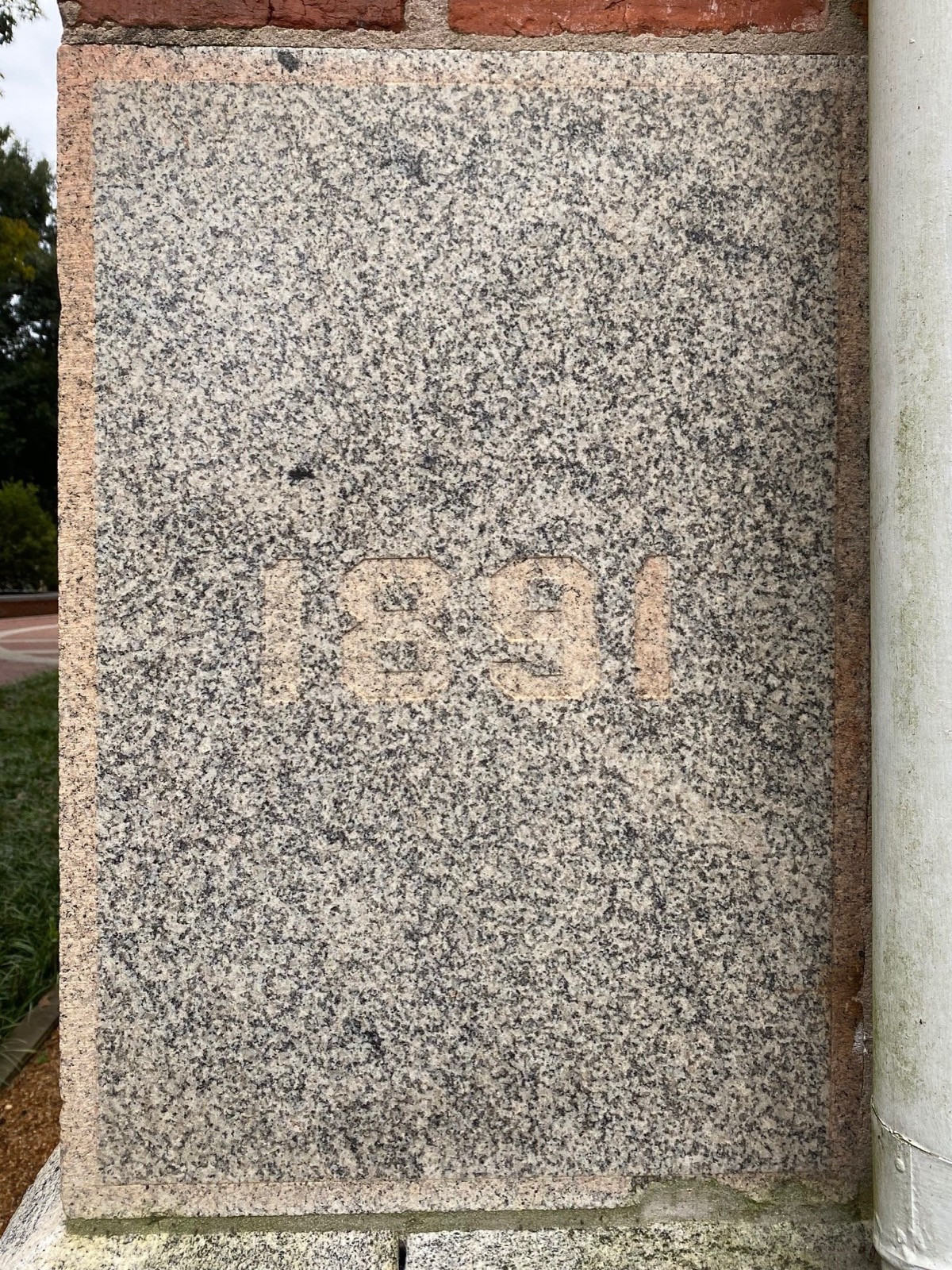
Masonic cornerstone on Tillman Hall, laid 1891
The 1891 cornerstone on Tillman Hall
1891

Tillman Hall

The oldest Masonic cornerstone on campus was laid in 1891 on Tillman Hall, with a crowd of roughly 2,000 in attendance — two years before the college even opened its doors.
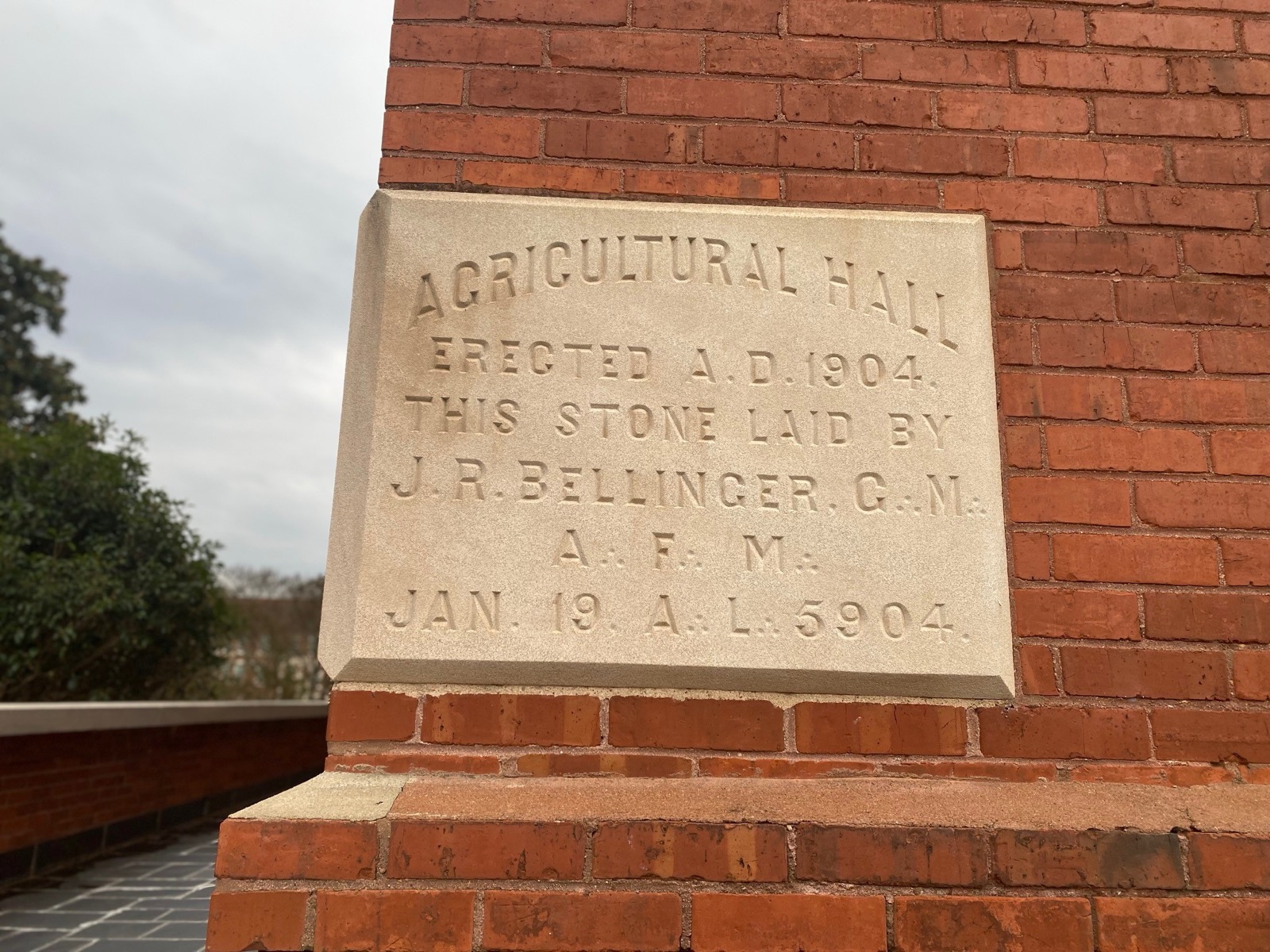
Sikes Hall at Clemson University
Sikes Hall, front left corner
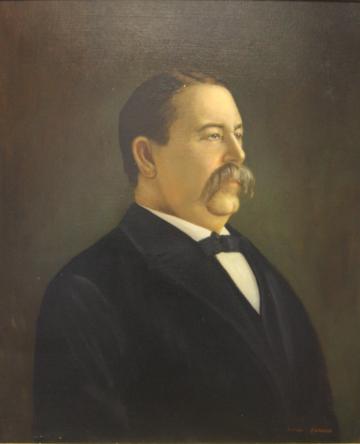
Grand Master J.R. Bellinger
1904

Sikes Hall

Every student who has come through Clemson knows of Sikes Hall. Prominently located near Tillman Hall and across from Bowman Field, its Masonic cornerstone sits on the front left corner of the building. It was laid by Grand Master J.R. Bellinger in 1904, when Clemson Lodge No. 254 was barely weeks old — its founding brothers took part in the ceremony on the campus where they worked and lived.
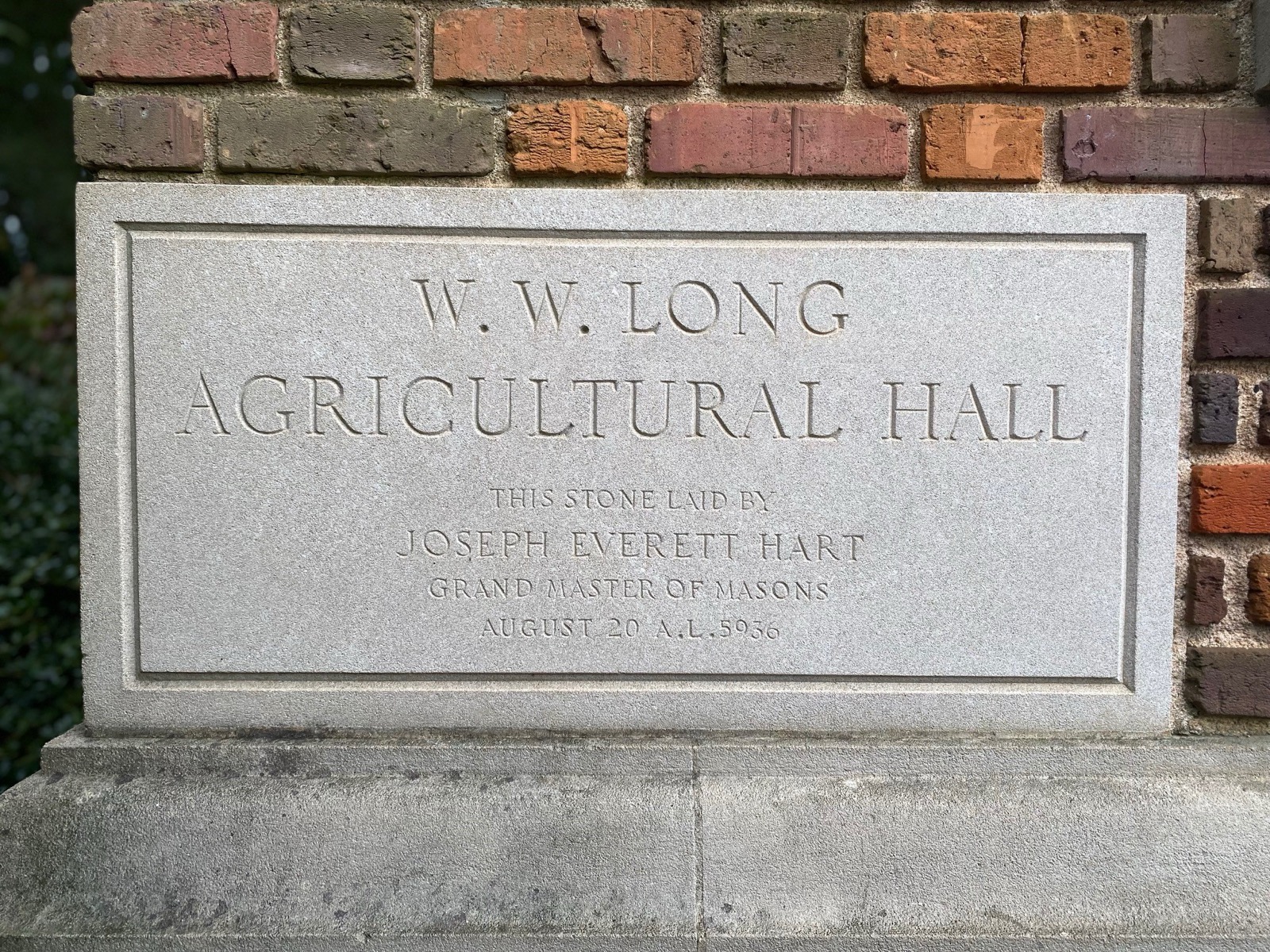
Masonic cornerstone on Long Hall
The Long Hall cornerstone
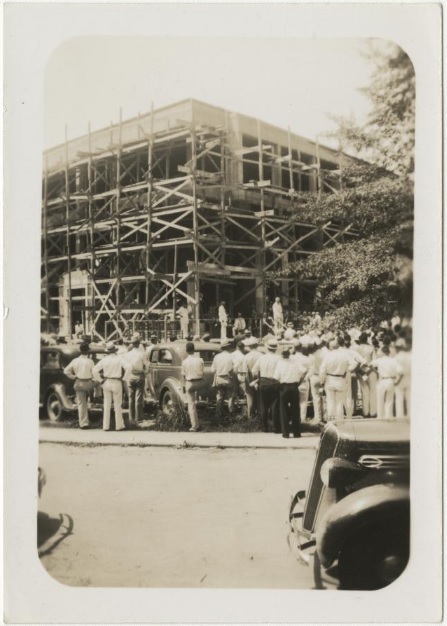
Crowd assembled for the Long Hall cornerstone ceremony, 1936
The 1936 ceremony, from Clemson's Digital Collection
1936

Long Hall

Hidden amongst the shrubbery on Long Hall lies a cornerstone laid in 1936. Images from Clemson's Digital Collection show the crowd that assembled to see the stone ceremony.
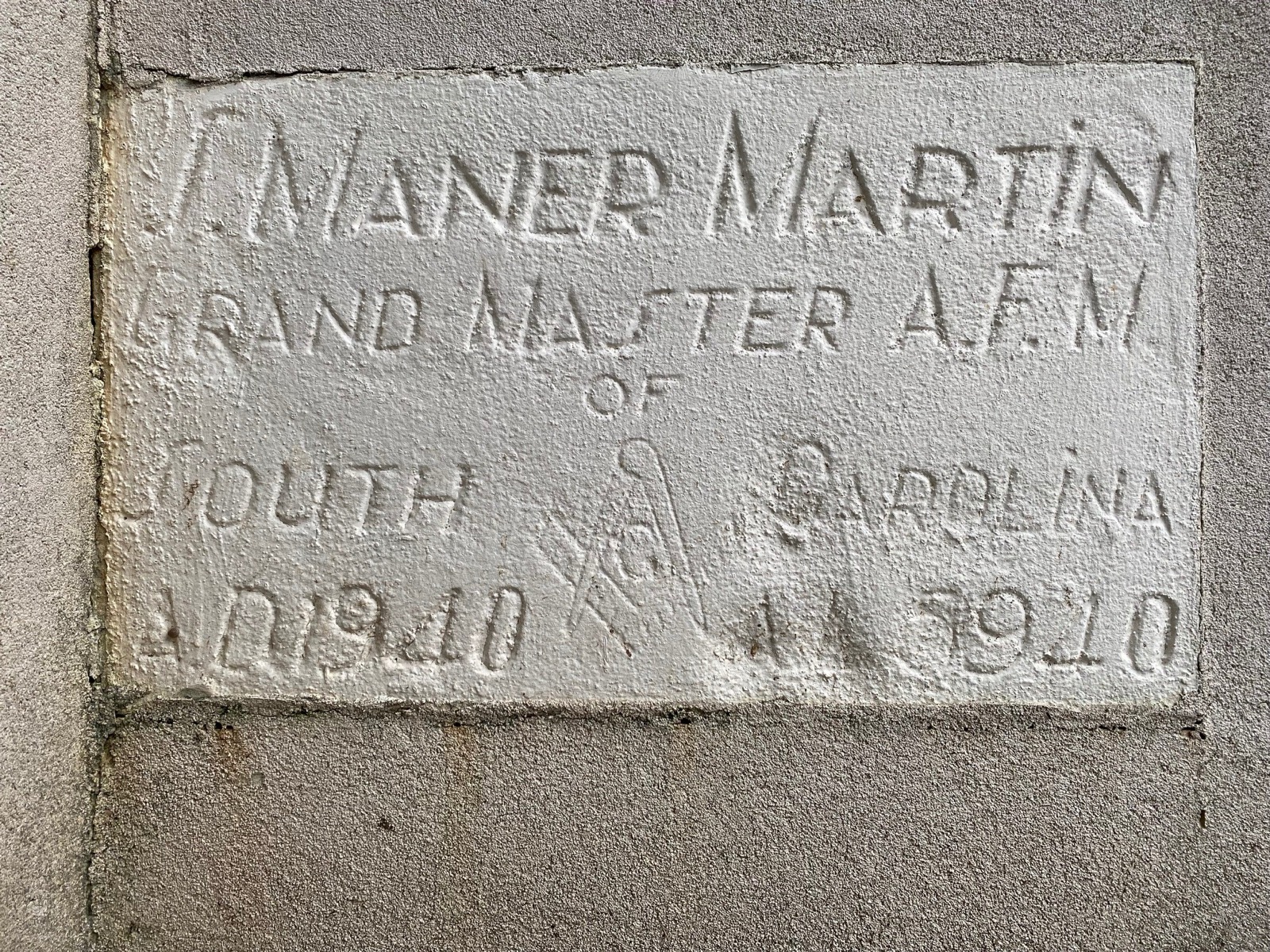
Clemson's outdoor amphitheater
The outdoor amphitheater, gifted by the Class of 1915
c.1937

The Outdoor Amphitheater

Clemson's outdoor amphitheater, built around 1937, was gifted by the Class of 1915. Along the bottom left edge of the stage lies the Masonic accent stone laid by South Carolina Grand Master Samuel Maner Martin — a founding petitioner of Clemson Lodge No. 254 who served as head of the Mathematics Department from 1908 until 1947. His portrait hangs in Martin Hall.
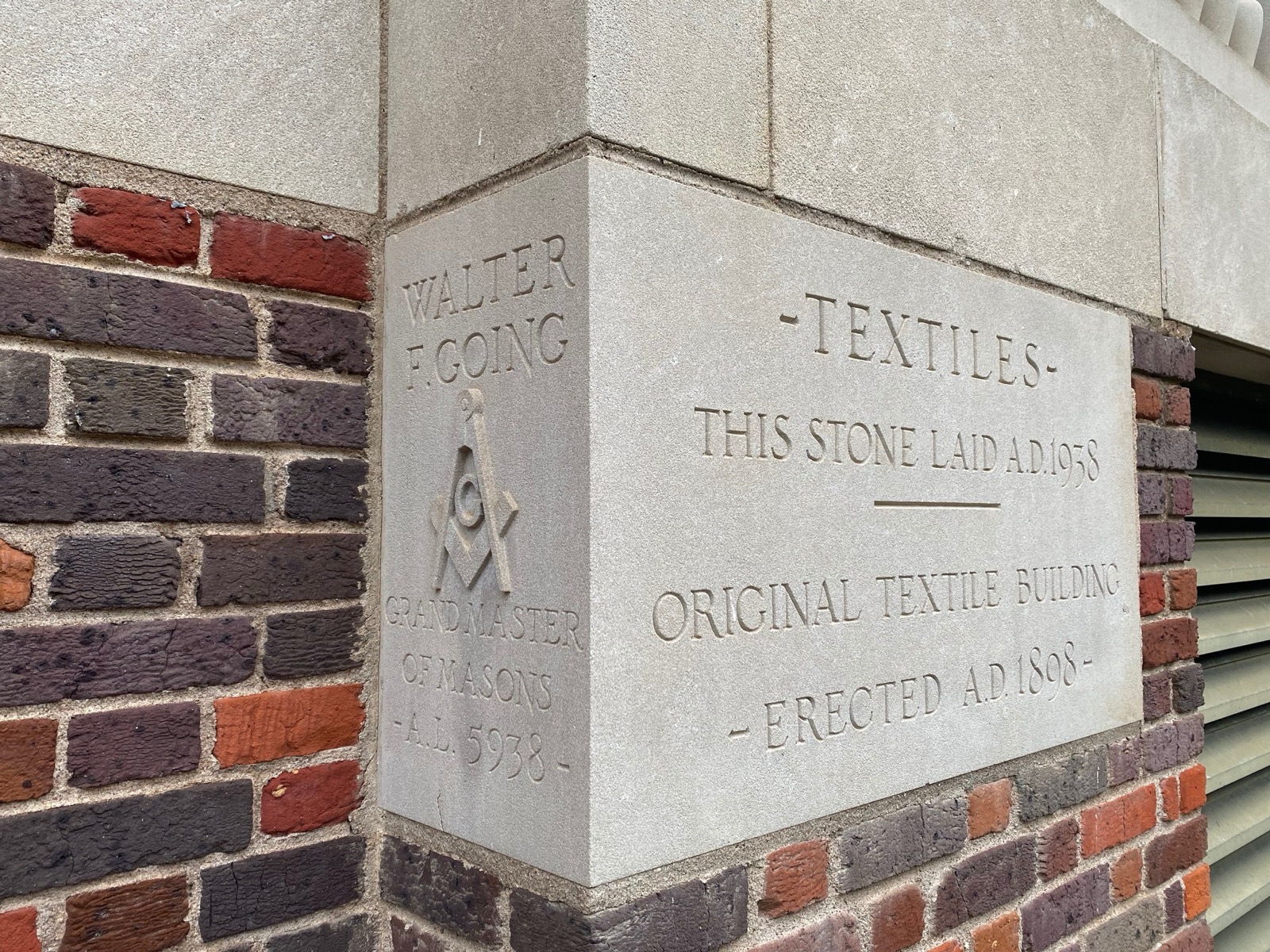
Masonic cornerstone on Sirrine Hall, laid 1938
The Sirrine Hall cornerstone
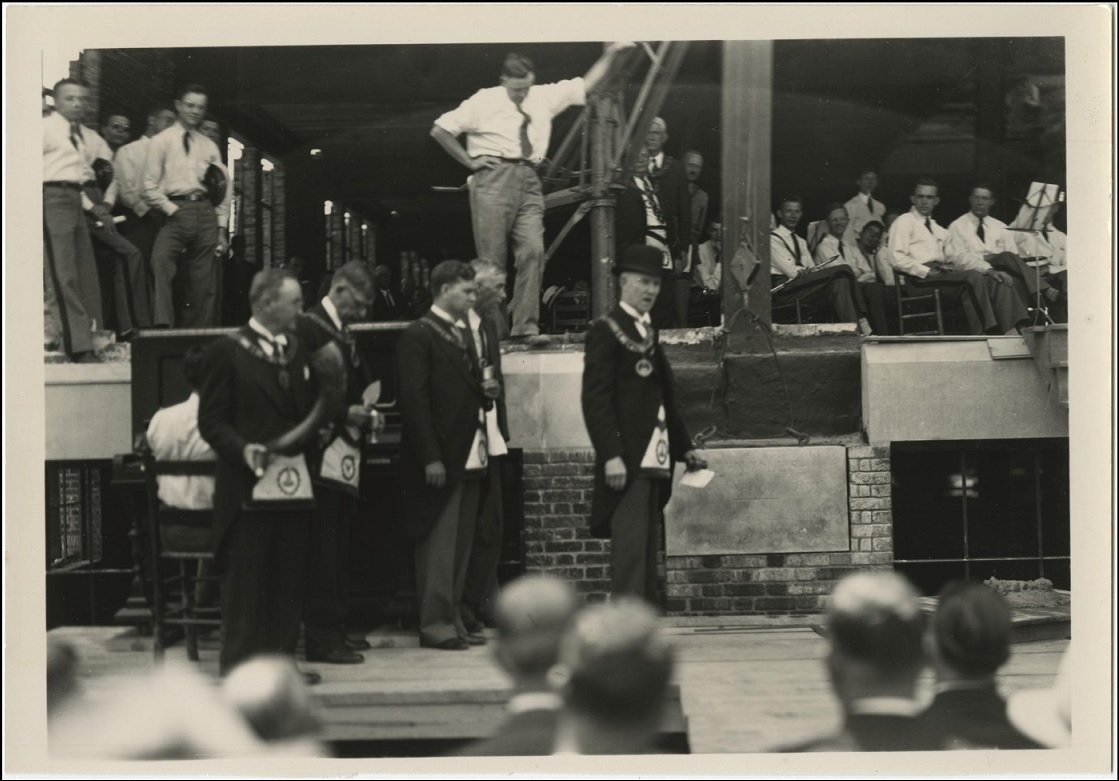
Masons at the Sirrine Hall cornerstone ceremony, May 1938
The May 1938 ceremony, from Clemson's Digital Collection
1938

Sirrine Hall

This cornerstone, a true work of art, resides on Sirrine Hall and was laid in 1938. Photographs from Clemson's Digital Collection depict the actual cornerstone ceremony in May of that year.

Brothers Whose Names Mark the Campus

Buildings and places at Clemson University named for brothers of Lodge No. 254.

Klugh Avenue

W.W. Klugh — Charter Worshipful Master, 1903

Redfern Health Center

Dr. A.M. Redfern — first Junior Warden, Worshipful Master 1904

Martin Hall

S. Maner Martin — petitioner, Worshipful Master 1910, Grand Master of South Carolina

Schilletter Dining Hall

A. Schilletter — first Treasurer, college steward

Brackett Hall

R.N. Brackett — Worshipful Master 1919

Littlejohn Coliseum

J.C. Littlejohn — Worshipful Master 1917

When you walk across the campus of Clemson University,
you walk in the footsteps of the brothers of Lodge No. 254.

Sources & Further Research

  • Interview: Hubbard, Julius C., Jr. (WM 1957), reading from the original Lodge minute books. Town of Calhoun, South Carolina Oral History Collection, Mss-0279, Cassette 9. Recorded August 31, 1988. Clemson University Libraries Special Collections
  • Portrait photographs: The Clemsonian (1901) and The Oconeean (1903), Clemson University Libraries, Series 509
  • Cornerstone ceremony photographs: Clemson University Digital Collections
  • R.W. Simpson Papers (Mss-0096), W.W. Klugh Papers (Mss-0064), S. Maner Martin Papers (Mss-247), J.C. Littlejohn Collection (Mss-0068), Clemson University Special Collections